
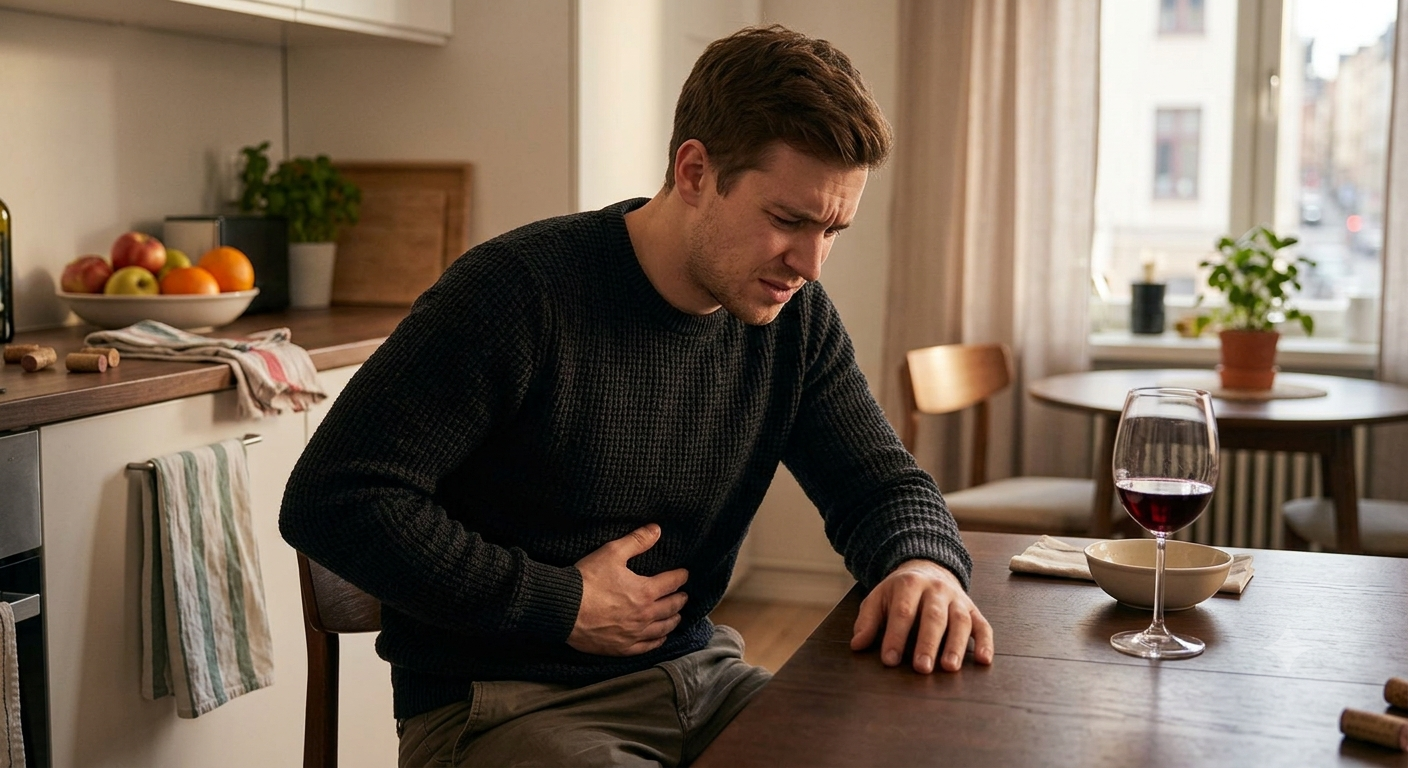
Why Does Your Stomach Hurt After Drinking?
Stomach pain after drinking alcohol is one of the most common digestive complaints people experience, and it ranges from mild, temporary discomfort to a warning sign that something more serious is happening inside. Understanding the difference between normal digestive upset and symptoms that need medical attention is one of the most practically important things anyone who drinks alcohol can know.
When you drink alcohol, ethanol — the chemical that makes alcohol intoxicating — directly irritates and inflames the tissues of your digestive tract from the moment it enters your mouth. It erodes the stomach’s protective mucus lining, increases acid production, disrupts the valves that keep acid in the right places, and affects how efficiently food moves through your gut. Each of these effects can produce different types of pain in different locations, which is why stomach pain after drinking can feel so variable — burning, cramping, sharp, dull, or radiating — depending on which specific mechanism is driving it.
The Most Common Causes of Stomach Pain After Drinking
Alcoholic Gastritis: The Primary Culprit
The most common and direct cause of stomach pain after drinking is alcoholic gastritis — inflammation of the stomach lining caused by alcohol. When ethanol contacts the stomach lining, it erodes the protective mucus layer that normally shields the tissue from the stomach’s own powerful digestive acid. Without this protection, the acid directly contacts the stomach wall, causing inflammation, irritation, and pain.
Alcoholic gastritis comes in two forms with important differences between them. Acute gastritis occurs rapidly after a single episode of heavy or binge drinking, producing sharp epigastric cramping, nausea, vomiting, and bloating that typically resolves once drinking stops and the stomach has a chance to recover. Chronic gastritis develops gradually through prolonged regular alcohol consumption, silently eroding the mucosal barrier over months and years. Chronic gastritis produces more persistent, lower-grade symptoms — recurring heartburn, mild abdominal pain after drinking, appetite loss, and fatigue — that many regular drinkers mistakenly dismiss as normal digestive variation rather than progressive stomach damage.
The critical distinction between the two is what untreated chronic gastritis can lead to: stomach ulcers, gastrointestinal bleeding, and an increased risk of more serious complications over time.
Acid Reflux and GERD
Alcohol directly relaxes the lower esophageal sphincter — the muscular valve between the esophagus and the stomach that prevents stomach acid from flowing backward. When this valve relaxes inappropriately, stomach acid travels back up into the esophagus, producing the burning sensation in the chest and upper abdomen that most people know as heartburn or acid reflux.
Research shows that alcohol can increase the frequency of these inappropriate sphincter relaxations by up to 40%, allowing prolonged acid exposure to the unprotected esophageal tissue. For people who already have gastroesophageal reflux disease, even modest alcohol consumption can significantly worsen symptoms.
Gastric Ulcers
With repeated or prolonged alcohol exposure, the erosion of the stomach’s protective lining can progress beyond inflammation to actual ulceration — open sores in the stomach wall. Gastric ulcers produce a distinctive burning or gnawing pain in the upper abdomen that typically occurs after eating or drinking and may worsen with alcohol specifically because alcohol further irritates the already-damaged tissue.
Stomach ulcers associated with alcohol are often compounded by Helicobacter pylori bacterial infection, which itself damages the stomach lining and is significantly more common in heavy drinkers. Treatment of ulcers typically requires addressing both the alcohol-related damage and, if H. pylori is present, treating the bacterial infection with antibiotics.
Pancreatitis: A Serious Complication
Alcohol is one of the leading causes of both acute and chronic pancreatitis — inflammation of the pancreas, a gland sitting behind the stomach that produces digestive enzymes and regulates blood sugar.
Acute pancreatitis can develop rapidly after heavy drinking and produces severe pain in the upper abdomen that typically radiates through to the back. This pain is often constant rather than cramping, frequently accompanied by nausea and vomiting, and does not improve with eating or position changes. Acute pancreatitis is a medical emergency requiring prompt hospital evaluation and treatment.
Chronic pancreatitis develops gradually from repeated episodes of alcohol-related pancreatic inflammation and causes persistent upper abdominal and back pain that worsens after eating or drinking, along with digestive problems including fatty stools, weight loss, and eventually diabetes as the gland loses its ability to produce insulin.
Any upper abdominal pain that radiates to the back in the context of alcohol consumption should be treated as potentially serious and evaluated medically rather than assumed to be ordinary gastritis.
Irritable Bowel Syndrome Triggered by Alcohol
Alcohol disrupts normal gut motility — the wave-like muscle contractions that move food and waste through the intestines. It can speed up contractions in the large intestine, producing cramping and diarrhea, or slow movements elsewhere, contributing to bloating and discomfort. For people who already have irritable bowel syndrome, alcohol is a common and significant trigger that can provoke flare-ups of cramping, bloating, and altered bowel habits.
Leaky Gut Syndrome
Prolonged alcohol use can damage the tight junctions between the cells lining the intestinal wall, increasing intestinal permeability — sometimes called leaky gut. When the intestinal lining becomes more permeable than normal, substances that should remain in the gut can pass into the bloodstream, triggering an immune response and systemic inflammation. This contributes to both digestive symptoms and broader effects on immune function and overall wellbeing.
Alcohol Intolerance
Some people experience stomach pain, flushing, headache, and nausea after consuming even small amounts of alcohol due to alcohol intolerance — an inability to properly metabolize alcohol or specific compounds in alcoholic beverages. This is different from an allergy and is often related to deficiency in the enzyme aldehyde dehydrogenase, which breaks down acetaldehyde, the first metabolic product of alcohol. People with this condition experience symptoms rapidly and typically notice it is consistent across all drinking occasions rather than related to quantity alone.
Beer, Wine, and Mixer-Specific Triggers
Different alcoholic drinks can cause stomach pain through different mechanisms beyond the ethanol itself. Beer, particularly in large quantities, stimulates significant gastric acid production, which can cause heartburn and upper abdominal pain. Wine contains tannins and sulfites that some people are sensitive to, producing digestive symptoms. Carbonated mixers in cocktails introduce gas into the stomach, contributing to bloating, belching, and pressure-related discomfort. Sweet or high-sugar drinks can draw water into the intestines, contributing to cramps and diarrhea, particularly in people with fructose sensitivity.
Symptoms That Accompany Stomach Pain After Drinking
Stomach pain after drinking rarely presents in complete isolation. Common accompanying symptoms include nausea and vomiting, bloating and a feeling of fullness, heartburn or a burning sensation in the upper abdomen or chest, belching, diarrhea or loose stools the following morning, loss of appetite, and general malaise or fatigue.
Understanding which symptoms accompany the pain helps identify which specific mechanism is most likely responsible and guides the most appropriate response.
How to Relieve Stomach Pain After Drinking at Home
For mild to moderate symptoms from an isolated drinking episode, several home approaches can reduce discomfort while the stomach recovers.
Stopping drinking and allowing the stomach time to settle is the single most important step. Continuing to drink while experiencing stomach pain almost always worsens the underlying irritation rather than providing relief.
Drinking water helps dilute remaining alcohol in the stomach, supports hydration, and helps the body process what you’ve consumed. Small, frequent sips are better tolerated than large amounts at once when nausea is present.
Eating bland, gentle foods — plain crackers, toast, bananas, rice, or plain oatmeal — provides a buffer between the stomach acid and the inflamed lining and can reduce the burning sensation of gastritis symptoms. Avoid spicy, fatty, or acidic foods until symptoms improve.
Over-the-counter antacids including calcium carbonate products neutralize stomach acid temporarily and can provide rapid relief from burning pain and heartburn. H2 blockers like famotidine or ranitidine reduce acid production and can be effective for more persistent acid-related symptoms.
Ginger, either as ginger tea or ginger supplements, has well-documented anti-nausea properties and can help settle the stomach during recovery. Chamomile tea has mild anti-inflammatory properties and can soothe gastric irritation.
Rest allows the body to redirect energy toward recovery and digestive healing rather than physical activity.
Medical Treatment Options
When home care is insufficient or symptoms are more severe, medical treatment may be needed. A doctor may recommend proton pump inhibitors such as omeprazole or lansoprazole, which significantly reduce stomach acid production and allow the gastric lining to heal. These are considerably more effective than antacids for persistent gastritis or acid reflux related to alcohol.
If Helicobacter pylori infection is identified alongside alcohol-related gastric damage, a course of antibiotics combined with acid-suppressing medication clears the infection and allows healing to proceed.
For pancreatitis, treatment requires hospital-level care including intravenous fluids, pain management, bowel rest, and monitoring for complications.
Probiotics have shown some benefit in restoring healthy gut bacteria disrupted by alcohol consumption and can be a useful adjunct in people with alcohol-related digestive symptoms.
When to Seek Immediate Medical Attention
Several symptoms alongside or following stomach pain after drinking indicate a potentially serious situation requiring prompt medical evaluation rather than home management.
Go to an emergency department or call emergency services immediately if you experience severe, sudden upper abdominal pain radiating to the back, which can indicate acute pancreatitis. Seek urgent care if you vomit blood or material that looks like coffee grounds, which indicates gastrointestinal bleeding. Dark or tarry black stools, which indicate bleeding somewhere in the upper digestive tract, also warrant immediate evaluation. Severe pain that does not improve with rest and basic measures, or pain accompanied by fever, rapid heart rate, dizziness, or confusion are additional warning signs that require prompt assessment.
Warning Signs That Drinking Is Causing Ongoing Damage
Beyond acute symptoms, certain patterns suggest that alcohol is causing progressive digestive damage that should be evaluated and addressed.
If stomach pain occurs consistently after drinking rather than only after heavy sessions, if symptoms are getting progressively worse or occurring earlier into a drinking occasion than they used to, if you notice unexplained weight loss, persistent loss of appetite, or ongoing fatigue alongside digestive symptoms, or if over-the-counter measures are no longer providing adequate relief — these patterns suggest that what started as acute irritation may have progressed to more established gastrointestinal damage requiring medical evaluation and, in most cases, a serious reduction in alcohol consumption.
Long-Term Risks of Ignoring Stomach Pain After Drinking
Untreated or repeatedly dismissed stomach pain after drinking carries meaningful long-term risks. Alcoholic gastritis that is not addressed can lead to permanent stomach lining damage, peptic ulcers, and significantly increased risk of gastrointestinal bleeding. Repeated pancreatitis episodes, even if individually managed, can lead to chronic pancreatitis with permanent impairment of digestive enzyme production and eventual development of diabetes. The risk of certain gastrointestinal cancers is also elevated by chronic alcohol-related inflammation of the digestive tract.
The body’s initial pain signals exist to draw attention to injury — repeated stomach pain after drinking is one of the clearest signals the digestive system sends that it is being damaged and needs protection.
FAQs About Stomach Pain After Drinking
Q1: Why does my stomach hurt after just one drink?
Some people are sensitive to even small amounts of alcohol due to alcohol intolerance, existing conditions like gastritis or IBS, or sensitivity to specific ingredients in the drink such as sulfites in wine, tannins, or carbonation. If you consistently experience pain after just one drink, discussing this with a doctor is worthwhile.
Q2: What is the fastest way to relieve stomach pain after drinking?
Stop drinking, sip water slowly, take an over-the-counter antacid for burning pain, eat something bland if nausea allows, and rest. For heartburn specifically, an H2 blocker like famotidine works faster than a proton pump inhibitor. Ginger tea can help with accompanying nausea.
Q3: Is stomach pain after drinking always gastritis?
No. While alcoholic gastritis is the most common cause, stomach pain after drinking can also stem from acid reflux, gastric ulcers, pancreatitis, IBS flare-ups, alcohol intolerance, or sensitivity to specific drink ingredients. The location, character, and accompanying symptoms help distinguish between these causes.
Q4: When should I go to the emergency room for stomach pain after drinking?
Go immediately if you experience severe pain radiating to the back, vomiting blood or coffee ground-like material, black or tarry stools, severe pain that won’t improve, or pain accompanied by fever, rapid heart rate, dizziness, or confusion. These can indicate pancreatitis or gastrointestinal bleeding requiring emergency care.
Q5: Can stomach pain after drinking go away on its own?
Pain from acute gastritis caused by a single heavy drinking session typically resolves within one to two days with rest and basic supportive care. However, chronic gastritis from regular drinking does not resolve on its own without reducing or stopping alcohol consumption, and symptoms tend to progress rather than improve over time.
Q6: Does drinking on an empty stomach make stomach pain worse?
Yes, significantly. Without food in the stomach, alcohol contacts the stomach lining directly and is absorbed more rapidly, intensifying irritation and increasing the likelihood and severity of gastritis symptoms. Eating before or during drinking provides a protective buffer.
Q7: Can certain types of alcohol cause more stomach pain than others?
Yes. Beer is a particularly strong stimulant of gastric acid production. Wine can trigger sensitivity reactions due to sulfites and tannins. Carbonated mixers add gas and bloating. High-sugar cocktails can cause intestinal cramping in sensitive individuals. Individual sensitivity varies, and people often find that particular drink types consistently cause more problems than others.
Q8: How long does it take for alcohol-related gastritis to heal?
Acute alcoholic gastritis typically improves within a few days to a week after stopping alcohol. Chronic gastritis from long-term heavy drinking can take several weeks to months to heal significantly, and requires not just stopping or substantially reducing drinking but also medical treatment with acid-suppressing medication and in some cases treatment for H. pylori infection if present.
More From Our Blog
If you found this article helpful, you might also enjoy exploring more content from our blog. We regularly publish guides, tips, and insights across a variety of topics to help you stay informed and make better decisions. Feel free to check out our other articles and let us know what you’d like us to write about next.