
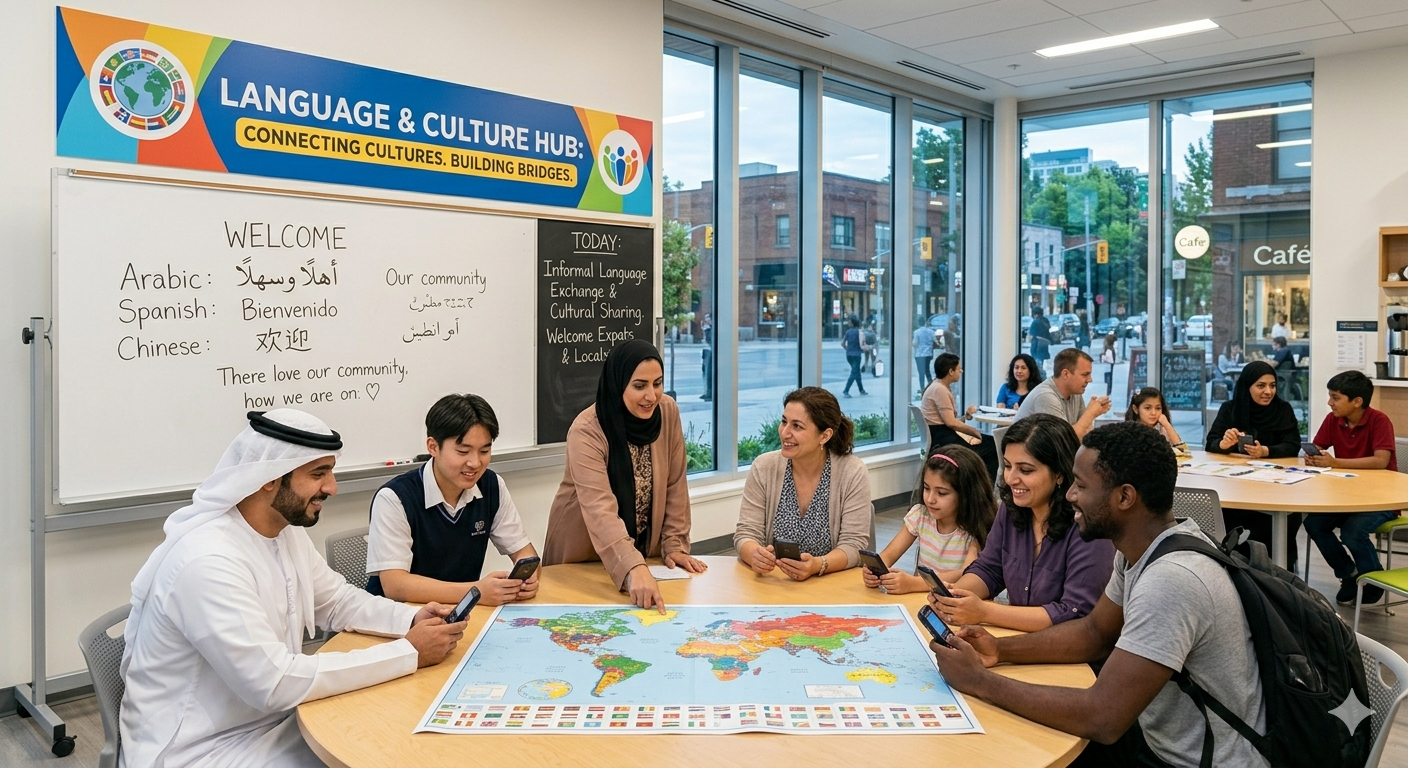
Moving to a new country is an exciting adventure, but it also comes with a unique set of challenges. For most expatriates, the initial thrill of relocation is quickly followed by the reality of dealing with language barriers and cultural differences. Navigating a new society without understanding the local tongue or social etiquette can lead to isolation and a feeling of being disconnected.
Fortunately, an international community centre serves as a vital lifeline during this transition. These hubs are specifically designed to fast-track the integration process, helping expats adapt smoothly while preserving their unique cultural identities.
In this article, we will explore exactly how these centres act as a bridge for cultural and linguistic integration, and why they are essential for anyone starting a life abroad.
Overcoming the Language Barrier: The First Step to Belonging
Language is the fundamental key to connecting with any society. Without it, even simple daily tasks like grocery shopping, opening a bank account, or communicating with local authorities can become stressful hurdles. International community centres address this challenge head-on through structured programs:
1. Survival and Professional Language Classes
Unlike traditional, expensive language institutes, community centres offer affordable or free localized language programs tailored to everyday life.
- For Beginners: They provide crash courses focused on “survival language skills”—essential phrases needed for shopping, directions, and basic social greetings.
- For Professionals: Many centres host advanced or business-oriented language classes to help expats confidently communicate with local colleagues and clients, boosting their career prospects in the host country.
2. Informal Language Exchange Cafes
Learning a language isn’t just about grammar books; it’s about real conversation. Most international hubs host weekly “Language Exchange” or “Conversation Cafe” nights. These casual meetups pair expats with native speakers who want to learn a foreign language. It creates a relaxed, pressure-free environment where people can practice speaking, correct each other’s mistakes, and build friendships naturally over a cup of coffee.
Cultural Adaptation: Decoding the Unwritten Rules
Every country has its own unwritten social rules, traditions, and laws. Misunderstanding these nuances can lead to awkward social interactions or, worse, legal misunderstandings. International community centres guide expats through the cultural landscape using highly effective strategies:
1. Cultural Orientation and Integration Workshops
Moving beyond basic tourist facts, these workshops dive deep into the cultural fabric of the host country. Expats are taught about:
- Local customs, religious holidays, and traditional values.
- Social etiquette, such as appropriate dressing styles, tipping customs, and greeting gestures.
- The legal framework, including tenancy laws, labor rights, and public code of conduct regulations.
2. Celebrating Global and Local Festivals
True integration is a two-way street. International community centres are beautiful spaces where cultures meet and merge. They regularly host celebrations for both local national holidays and global festivals (such as Eid, Diwali, Lunar New Year, or Christmas).
By participating in these events, expats get to experience the local traditions firsthand while also getting a chance to share their own heritage with the community. This dual celebration fosters mutual respect and reduces the feeling of homesickness.
Mental Well-being and Building a Support System
The emotional toll of relocating is often underestimated. Culture shock and expat loneliness are very real experiences that can impact mental health.
International community centres function as a “home away from home.” Simply walking into a space filled with people who are going through the exact same journey brings immense comfort. The peer support groups, expat meetups, and mentoring programs organized by these hubs ensure that no newcomer has to figure things out alone.
Frequently Asked Questions (FAQs)
Q1: Are language classes at international community centres expensive?
Ans: No, one of the biggest benefits of a community hub is affordability. Many basic language courses and conversation exchanges are fully funded by local municipalities or NGOs and are completely free. Advanced certifications may carry a very nominal fee compared to private academies.
Q2: Can my children join cultural programs at these centres?
Ans: Absolutely! Most international centres have dedicated youth and children’s programs. These include native language retention classes, multicultural art workshops, and youth clubs designed to help expat children adjust to their new schools and environment.
Q3: Do I need to be fluent in the local language to join the centre’s events?
Ans: Not at all. These hubs are designed for newcomers, meaning almost all initial orientations, events, and support services are conducted in English or other widely spoken international languages.
Q4: How do these centres help locals understand expatriates?
Ans: By hosting cultural bazaars, international food nights, and public workshops, the centre invites local citizens to learn about the expats’ home countries. This builds a strong, two-way bridge of empathy and friendship within the neighborhood.
Q5: How can I find an integration program that fits my needs?
Ans: The easiest way is to visit the physical reception desk of your local international hub or check their official website’s events calendar. They usually have seasonal schedules for language terms and cultural workshops.
Why is it important to incorporate local culture and community development?
Local culture provides a sense of identity for rural communities and residents. This identity facilitates common understandings, traditions, and values, all central to the identification of plans of action to improve well-being. Culture contributes to building a sense of local identity and solidarity.
What are the benefits of cultural integration?
Cultural Integration helps foster a sense of unity within a community. It also enhances a community by allowing people to experience that they may not have access to otherwise. People can learn about the language, food, traditions, and arts of other cultures around them without traveling to those countries of origin.
Why is language training important for expatriates?
Language training helps migrant workers improve communication and access to services. Basic language skills provide an essential entry point for migrant workers to access healthcare, understand labour rights and participate in their communities.
How to integrate into a community?
Examples of Community Integrated Activities
Having options for healthcare.
Enjoying public facilities (e.g., libraries and community centers).
Participating in after-school and extracurricular activities.
Supported employment in non-segregated workplaces.
To understand the full scope of services, networking opportunities, and facility rentals offered by these global hubs, make sure to visit our comprehensive guide on the International Community Centre. It is your ultimate resource for navigating life and building a strong foundation in a multicultural society.