
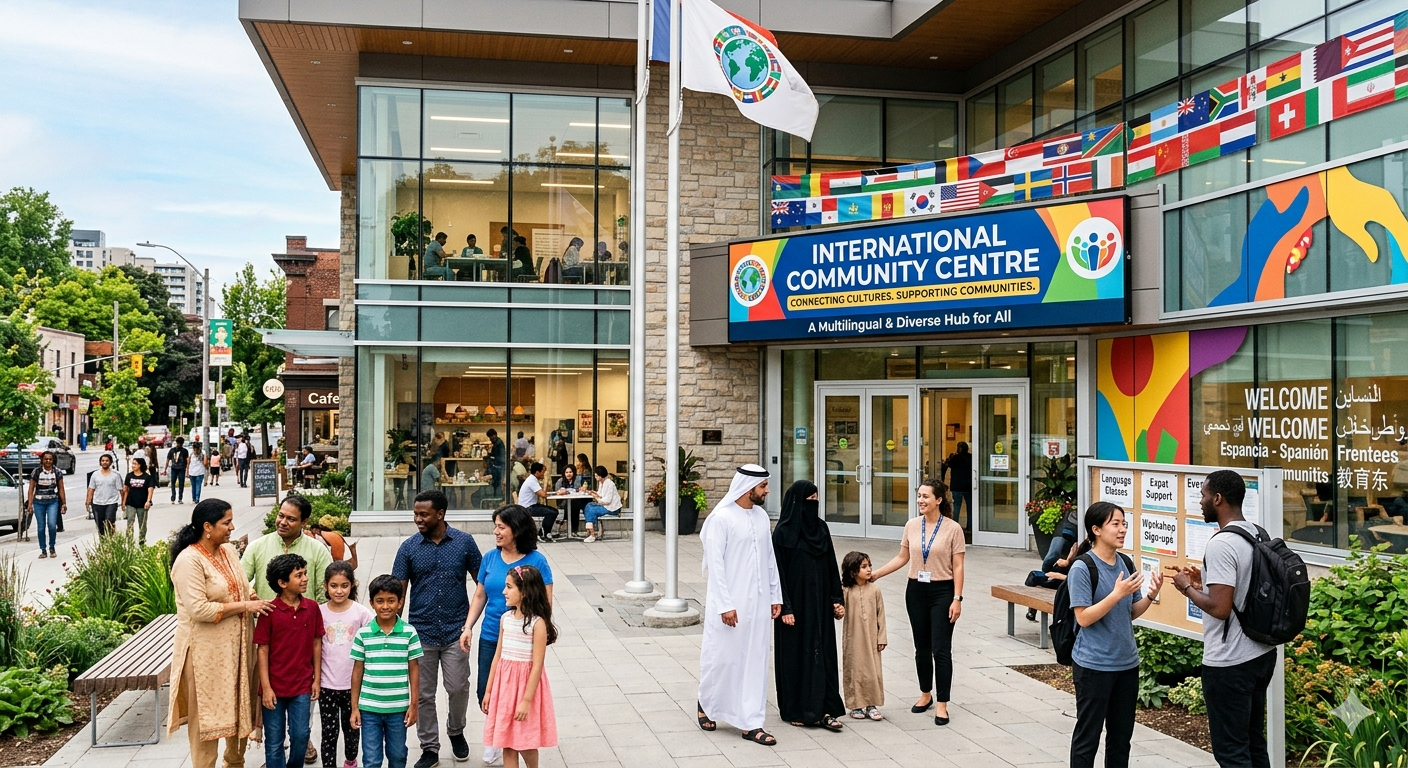
In an increasingly globalized world, moving to a new country or city is more common than ever. However, settling into a unfamiliar environment brings unique challenges, from language barriers to social isolation. This is where an international community centre plays a pivotal role.
Whether you are an expatriate looking for networking opportunities, an immigrant seeking integration support, or a local resident eager to explore diverse cultures, these hubs serve as the ultimate bridge.
In this comprehensive guide, we will explore what an international community centre is, the essential services they provide, and how they help build a cohesive, multicultural society.
What is an International Community Centre?
An international community centre is a multi-functional hub designed to support, connect, and empower diverse cultural groups within a local region. Unlike standard local community centres that focus primarily on neighborhood-specific residents, international hubs cater specifically to a global demographic.
These centres act as a safe space where people from various nationalities, backgrounds, and ethnicities come together to share experiences, learn new skills, and foster mutual understanding.
Core Services Offered by International Community Centres
To cater to a diverse population, these hubs offer a wide array of programs. The services can generally be categorized into three main pillars:
1. Cultural Integration & Language Programs
Language is the biggest barrier to integration. Most international centres offer:
- Language Classes: Affordable or free courses teaching the host country’s language (e.g., Arabic, English, or German) as well as native languages for expatriate children.
- Cultural Workshops: Sessions that explain local customs, laws, and social etiquettes to help newcomers adapt quickly without losing their own identity.
2. Social Services, Networking, and Legal Support
Navigating a new country’s legal and professional landscape can be overwhelming. International community centres frequently host:
- Expat Networking Events: Structured meetups, career fairs, and business mixers that help professionals build local connections.
- Legal & Administrative Guidance: Help with documentation, visa processes, housing advice, and understanding local healthcare systems.
3. Recreational Activities and Event Spaces
Beyond support, these centres are places of celebration. They provide state-of-the-art facilities, including multi-purpose halls, meeting rooms, and sports areas. From celebrating global festivals like Eid, Diwali, or Christmas to hosting international food bazaars, these spaces keep cultural heritage alive.
Why Join or Visit an International Community Centre?
If you are wondering whether registering with a local international hub is worth it, consider these primary benefits:
- Build a Strong Support System: It eliminates the “expat loneliness” factor by connecting you with people who share similar journeys.
- Professional Growth: Many hubs run mentorship programs where established expats guide newcomers through the local job market.
- A Resource for Locals: For native residents, these centres offer a window to the world, allowing them to learn foreign languages and experience global cultures firsthand.
How to Find the Right International Community Centre Near You
Not all centres offer the same facilities. When looking for the ideal hub, keep these factors in mind:
- Demographic Focus: Some centres cater to all nationalities, while others might focus on specific diaspora communities (e.g., Asian, European, or African cultural hubs).
- Location & Accessibility: Choose a centre that is centrally located or easily accessible via public transport.
- Available Amenities: If you are looking to host an event, check if they offer venue rentals or community hall bookings.
Here are the clear and structured answers to your four questions in English:
1. What is an example of a community centre?
A Community Centre is a public location where members of a local neighborhood gather for social, educational, or recreational activities.
- Example: A prime example is an International Community Centre, where expatriates, immigrants, and locals meet to attend language classes, participate in cultural integration workshops, and join networking events.
- Other Examples: Local YMCA centers, public library hubs, town halls, or neighborhood youth clubs are also common examples of community centres.
2. What are the 7 types of communities?
In sociology and community development, communities are generally classified into 7 distinct types based on how people connect and interact:
- Geographic Communities: People bound by a shared physical space, city, or neighborhood (e.g., residents living in a specific district).
- Communities of Interest: People who share the same hobbies, passions, or interests regardless of location (e.g., football fans, tech enthusiasts).
- Communities of Practice: Individuals who share the same profession or trade and connect to learn from one another (e.g., digital marketers, website developers, or maintenance technicians).
- Identity-Based Communities: Groups bound by a shared culture, ethnicity, language, or heritage (e.g., diaspora or expat groups).
- Intentional Communities: People who choose to live or gather together purposefully under specific shared values or rules (e.g., eco-villages, co-housing projects).
- Virtual/Online Communities: Groups that interact entirely over the internet via social media, forums, or messaging apps (e.g., Reddit groups, specialized WhatsApp networks).
- Action-Driven Communities: People who unite to bring about a specific social change, charity goal, or political movement (e.g., environmental activists).
3. What are international communities?
International communities refer to groups of people from diverse nationalities and cultural backgrounds living together outside of their native countries.
- These communities are typically comprised of expatriates (expats), immigrants, global nomads, and international students.
- They naturally form in major global cities and economic hubs where people relocate for work or higher education.
- Their primary purpose is to offer mutual support, host cross-cultural events, and ease the process of linguistic and social integration, effectively building a “home away from home.”
4. What are the 4 types of communities?
When simplified into core, fundamental categories, communities are divided into these 4 main types:
4. Communities of Practice (Identity/Profession-based): Formed by individuals in the same line of work or expertise who collaborate to share skills and industry knowledge.
1. Geographic Communities (Place-based): Formed by people who share a physical location, such as a neighborhood, town, or country.
2. Communities of Interest (Attribute-based): Formed by people who share a common passion, belief, or hobby, bypassing physical borders.
3. Virtual Communities (Network-based): Formed entirely online through digital communication platforms where members interact without physical contact.
Frequently Asked Questions (FAQs)
Q1: Who can join an international community centre?
Ans: Anyone can join! While they are heavily utilized by expatriates, immigrants, and digital nomads, local citizens are equally welcome to join language classes, cultural events, and volunteer programs.
Q2: Are the services and classes at these centres free?
Ans: Many core social services, support groups, and basic language workshops are funded by governments or NGOs and are free of charge. However, specialized certifications, premium networking events, or venue rentals usually involve a nominal fee.
Q3: How do international community centres support local businesses?
Ans: They serve as excellent platforms for local businesses to reach a diverse audience. Through cultural bazaars, sponsorships, and business networking nights, local vendors and services can easily connect with the expat community.
Q4: Can I rent a space at an international community centre for private events?
Ans: Yes, most centres offer fully equipped event spaces, seminar halls, and meeting rooms for rent. These are ideal for cultural gatherings, corporate workshops, or private family functions.
Q5: How can I volunteer or contribute to a community hub?
Ans: You can contribute by offering to teach a language, mentoring newcomers in your professional field, or helping organize cultural festivals. Simply visit your local centre’s website or reception to sign up as a volunteer.